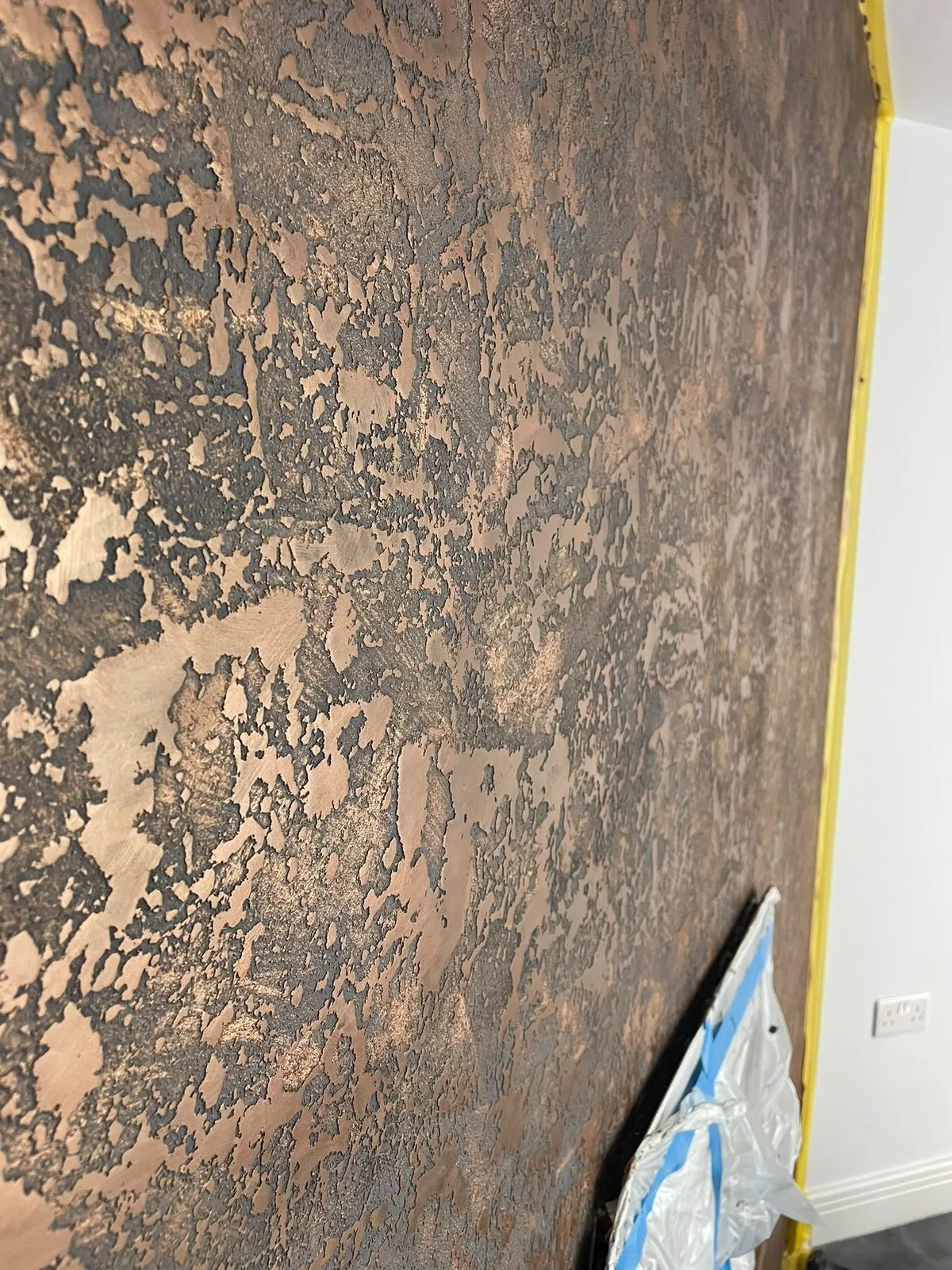
Can Venetian Plaster Be Applied Over Existing Paint in Exeter and Devon?
Many homeowners in Exeter and across Devon ask whether Venetian plaster can be applied directly over existing painted walls. The good news is that, in many cases, it can. However, the success of the finish depends largely on the condition of the surface underneath.
Venetian plaster is designed to create a decorative, seamless finish with depth, texture and movement. To achieve the best results, the wall must be properly prepared before the plaster is applied.
Does Existing Paint Need to Be Removed?
In most situations, existing paint does not need to be completely removed. If the paint is sound, stable and well bonded to the wall, Venetian plaster can often be applied after the correct preparation process.
Before any work begins, the wall should be checked for:
Peeling or flaking paint
Cracks and damaged areas
Signs of damp or water damage
Dust, grease or contamination
Uneven surfaces
If any of these issues are present, they should be repaired before the plaster application starts.
Why Surface Preparation Is Important
One of the most important parts of any Venetian plaster project is preparation. Even the highest-quality materials will not perform properly if they are applied to an unsuitable surface.
Professional preparation may include:
Filling cracks and imperfections
Sanding uneven areas
Applying specialist primers
Stabilising weak surfaces
This creates a solid base and helps ensure the Venetian plaster bonds correctly to the wall.
Can Venetian Plaster Hide Imperfections?
Venetian plaster can help disguise minor imperfections because of its decorative texture and movement. However, it should not be used as a substitute for proper wall repairs.
Large cracks, loose plaster or structural movement should always be addressed before decorative finishes are applied.
Is It Suitable for Older Properties in Devon?
Many homes throughout Devon, particularly older cottages and period properties, can benefit from Venetian plaster. Older walls often require additional preparation, but this is something a professional installer will assess before work begins.
The natural appearance of Venetian plaster can work particularly well in character properties while also complementing modern homes in Exeter and the surrounding areas.
Benefits of Applying Venetian Plaster Over Painted Walls
When applied correctly, Venetian plaster can completely transform an ordinary painted wall.
Benefits include:
A unique luxury appearance
Natural depth and movement
Durable long-lasting finish
Bespoke handcrafted effect
Suitable for both modern and traditional interiors
Many homeowners choose Venetian plaster because it creates a finish that standard paint simply cannot replicate.
Venetian Plaster Specialists in Exeter and Devon
Every wall is different, which is why professional assessment is important before starting a Venetian plaster project. The condition of the existing paint, the type of substrate and the desired finish all influence the preparation process.
At Don Stucco, we provide bespoke Venetian plaster finishes throughout Exeter and Devon, helping homeowners create feature walls and decorative interiors with a truly unique appearance.
Looking for Venetian Plaster in Exeter or Devon? Contact Don Stucco today for a free quotation and expert advice on your project.
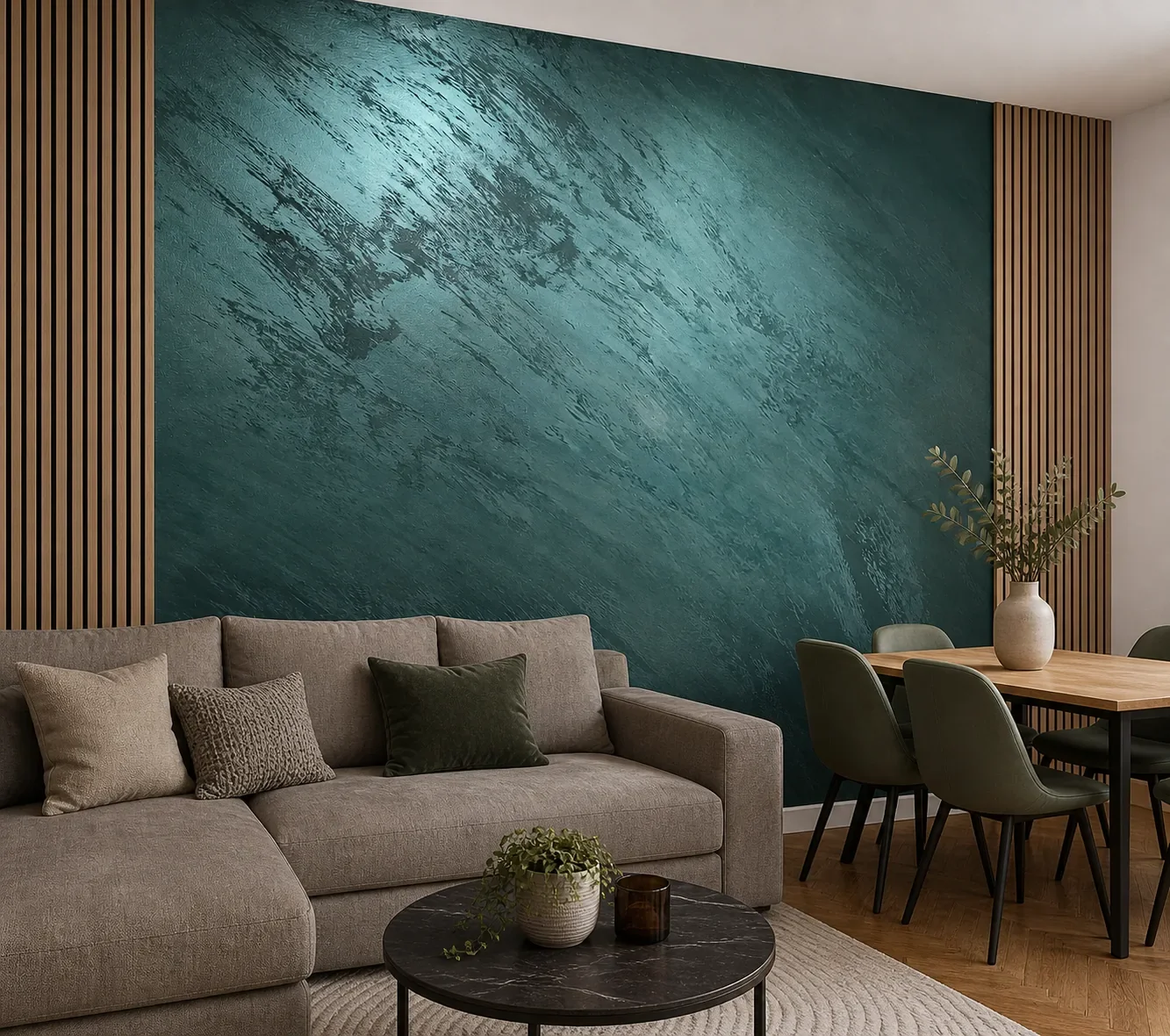
Luxury Paint vs Venetian Plaster – What’s the Difference?
Not sure whether to choose Venetian plaster or decorative paint? Discover the key differences in cost, durability and finish to find the right option for your home.
When it comes to creating a high-end interior, both Venetian plaster and luxury decorative paint finishes offer stunning results. However, they differ in materials, application, cost and overall performance. Understanding these differences will help you choose the right finish for your space.
What is Venetian Plaster?
Venetian plaster is a traditional wall finish made from natural lime and marble dust, applied in multiple layers and polished to create a smooth, stone-like surface.
It is widely regarded as one of the most luxurious wall finishes available, known for:
Natural mineral composition
Exceptional depth and movement
Long-lasting durability
Timeless, high-end appearance
Venetian plaster is ideal for clients looking for a premium, heritage-quality finish that can last for many years.
What are Luxury Decorative Paint Finishes?
Luxury decorative paint finishes use advanced coatings and specialist techniques to recreate the look of high-end surfaces such as plaster, stone or metal.
These finishes can achieve:
Metallic effects
Limewash-style textures
Silk and satin finishes
Textured and sand effects
They are designed to provide a similar visual impact to Venetian plaster, but with greater flexibility and a more accessible price point.
Key Differences
1. Materials
Venetian plaster → natural lime-based materials
Decorative finishes → high-quality paints and coatings
2. Appearance
Venetian plaster → deeper, more organic and natural
Decorative finishes → highly versatile, with a wide range of styles
3. Durability
Venetian plaster → extremely durable, long lifespan
Decorative finishes → durable, but generally not as long-lasting
4. Cost
Venetian plaster → higher investment
Decorative finishes → more cost-effective solution
5. Application
Venetian plaster → labour-intensive, longer process
Decorative finishes → faster and more flexible application
Which One Should You Choose?
The choice depends on your budget, style and long-term expectations.
Choose Venetian plaster if you want a timeless, natural and ultra-premium finish.
Choose decorative paint finishes if you’re looking for a modern, flexible and more accessible way to achieve a luxury look.
Our Approach
At Don Stucco, we specialise in Venetian plaster and decorative wall finishes in Exeter & Devon. We help you choose the right solution by understanding your space, design goals and budget.
We can also visit your property with a range of samples and finishes, allowing you to see and compare options directly in your own home.
Final Thoughts
Both options can deliver exceptional results when applied correctly. The key is choosing the finish that aligns with your vision and expectations.
If you’re unsure which is right for you, feel free to get in touch — we’re happy to guide you through the process.
Looking for luxury wall finishes in Exeter?
Contact Don Stucco today to book a consultation and explore your options.

Is Polished Plaster Expensive Compared to Other Luxury Wall Finishes?
Polished plaster is often considered a premium wall finish, but when compared to other luxury alternatives, it offers excellent long-term value. While the initial cost may be higher than standard paint or wallpaper, polished plaster sits competitively alongside other high-end finishes such as natural stone, marble panels, or bespoke wall coverings.
In the UK, polished plaster typically costs between £80 and £150 per m², depending on the type of finish, level of detail, and surface preparation required. More intricate finishes such as Venetian plaster may fall towards the higher end of the price range due to the craftsmanship involved.
How Does It Compare to Other Luxury Finishes?
When comparing polished plaster to other luxury wall finishes, several factors come into play:
Natural stone or marble cladding can cost significantly more, often exceeding £200–£300 per m²
High-end wallpapers may appear cheaper initially but often require replacement over time
Microcement finishes are similarly priced but offer a different aesthetic and texture
Polished plaster stands out because it combines a high-end appearance with durability and versatility. Unlike many alternatives, it creates a seamless, joint-free surface that enhances the overall look of a space.
Is Polished Plaster Worth the Cost?
Although polished plaster requires a higher upfront investment, it is designed to last for decades with minimal maintenance. This makes it a cost-effective choice in the long term, especially when compared to finishes that need regular replacement or repairs.
In addition to durability, polished plaster offers:
A bespoke, handcrafted finish
Unlimited colour and texture options
Breathable, eco-friendly materials
A luxury aesthetic that can increase property value
Polished Plaster in Exeter & Devon
Polished plaster is becoming increasingly popular in Exeter, Devon, and across the South West, particularly in high-end residential and commercial interiors. It is commonly used for feature walls, bathrooms, and modern living spaces where a premium finish is desired.
Get a Free Quote
If you're considering polished plaster in Exeter or Devon and want to understand the cost for your specific project, get in touch today for a free quote.
Transform your space with a bespoke, high-end finish designed to last.
Frequently Asked Questions About Polished Plaster
Is polished plaster more expensive than paint?
Yes, polished plaster is more expensive than standard paint due to the materials and skilled application required. However, it offers a far more durable and premium finish that can last for decades.
How long does polished plaster last?
With proper care, polished plaster can last over 20 years. It is highly durable and does not require frequent repainting or replacement.
Is polished plaster cheaper than marble?
Yes, polished plaster is significantly more affordable than real marble or stone cladding while achieving a similar high-end appearance.
Can polished plaster be used in bathrooms?
Yes, certain finishes such as Venetian plaster or Tadelakt are suitable for bathrooms and wet areas when properly sealed.
Is polished plaster worth the investment?
Absolutely. It offers a bespoke, luxury finish that adds value to your property and requires minimal maintenance over time.
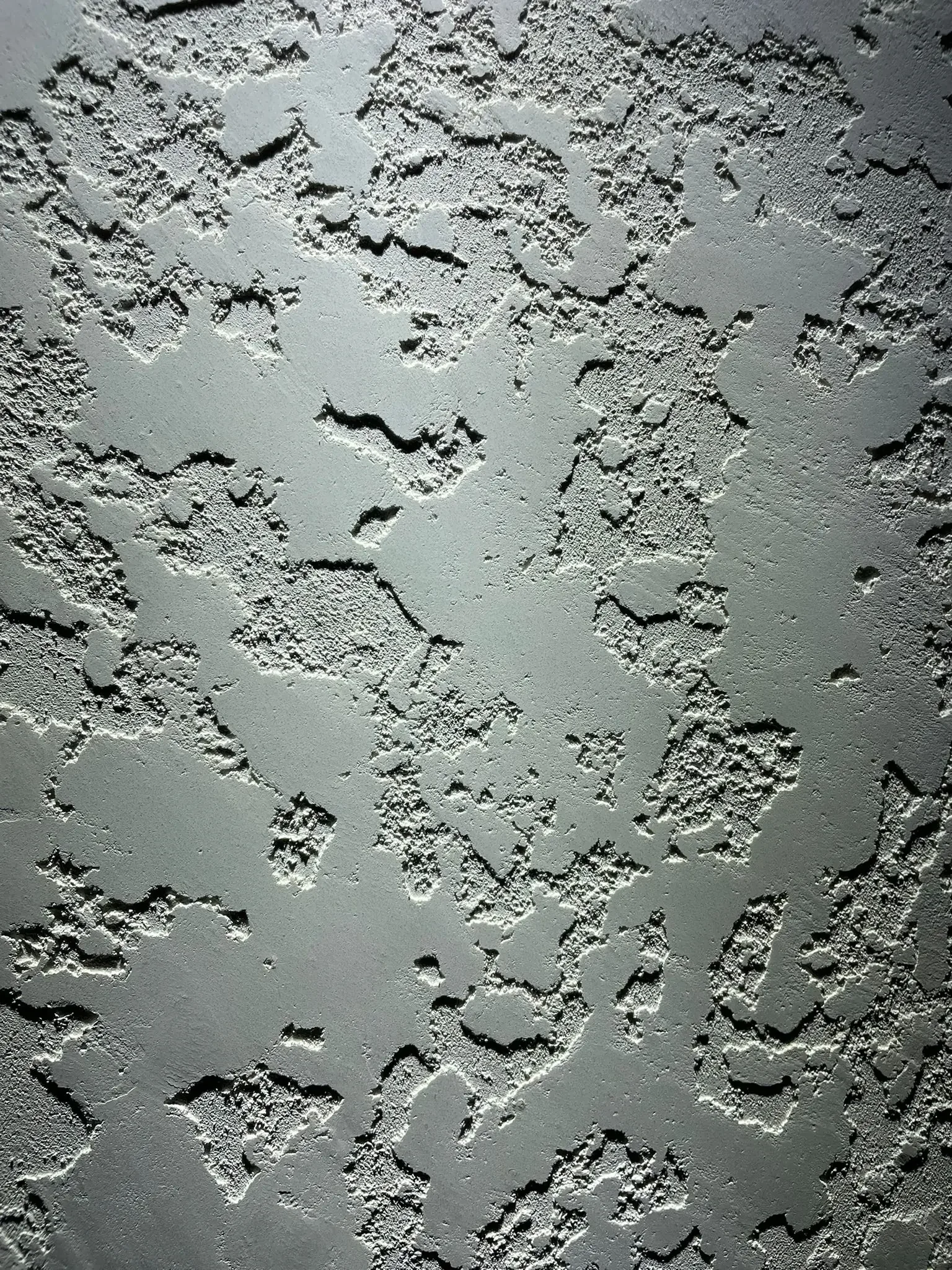
Polished Plaster in Exeter & Devon – Cost, Benefits & Finishes
Polished plaster is a high-end decorative finish used on walls and ceilings, known for its smooth, marble-like appearance and luxurious feel. Made from natural materials such as slaked lime and marble dust, it creates a seamless surface that adds depth, texture, and elegance to any interior.
In recent years, polished plaster has become increasingly popular in Exeter, Devon, and across the South West, especially in high-end residential and commercial projects. It offers a unique alternative to traditional paint, tiles, or wallpaper, delivering a premium finish that stands out.
What is Polished Plaster?
Polished plaster refers to a range of decorative finishes that can replicate the look of marble, stone, or concrete. Each surface is applied by hand in multiple layers, then polished to achieve the desired texture and sheen.
Because every finish is handcrafted, no two surfaces are ever the same. This makes polished plaster a perfect choice for bespoke interiors where attention to detail and individuality matter.
Polished Plaster Cost in the UK
The cost of polished plaster in the UK typically ranges from £80 to £150 per m², depending on the finish, complexity, and surface preparation required.
Several factors can influence the final price:
Type of finish (Venetian plaster, Marmorino, Tadelakt)
Size and complexity of the project
Condition of existing walls
Level of detail and number of layers
Location (projects in Exeter and Devon may vary depending on access and scale)
Investing in polished plaster means investing in a long-lasting, high-quality finish that can last for decades with minimal maintenance.
Types of Polished Plaster Finishes
There are several types of polished plaster finishes available, each offering a unique look:
Venetian plaster – smooth, glossy, marble-like finish ideal for luxury interiors
Marmorino – more natural, matte texture with a stone-like appearance
Tadelakt – waterproof finish, perfect for bathrooms and wet areas
Each finish can be fully customised in terms of colour, texture, and effect, allowing for completely bespoke results.
Polished Plaster vs Other Wall Finishes
Compared to traditional wall finishes, polished plaster offers several advantages:
Seamless, joint-free surface
Long-lasting and highly durable
Breathable material that helps regulate humidity
Eco-friendly, made from natural components
Premium aesthetic that increases property value
Unlike paint or wallpaper, polished plaster does not need frequent replacement and maintains its appearance over time.
Professional Application vs DIY
Polished plaster is a highly skilled craft that requires experience and precision. The application involves multiple layers, each carefully applied and polished by hand.
While DIY options exist, achieving a true high-end finish requires professional expertise. A skilled applicator ensures a flawless result, consistent texture, and long-term durability.
Maintenance & Longevity
One of the key benefits of polished plaster is its durability. With proper care, it can last for decades.
Maintenance is simple:
Regular dusting
Occasional cleaning with mild soap and water
Optional protective seal for high-traffic areas
Small imperfections can be repaired without replacing the entire surface, making it a practical long-term solution.
Polished Plaster Services in Exeter & Devon
Polished plaster is ideal for:
Feature walls
Bathrooms and wet rooms
Living spaces
Commercial interiors
Services are available across Exeter, Plymouth, Torquay, Taunton, Bridgwater, and throughout Devon and the South West.
Get a Free Quote
If you're considering polished plaster in Exeter or Devon, get in touch today for a free quote.
Transform your space with a bespoke, high-end finish designed to last.
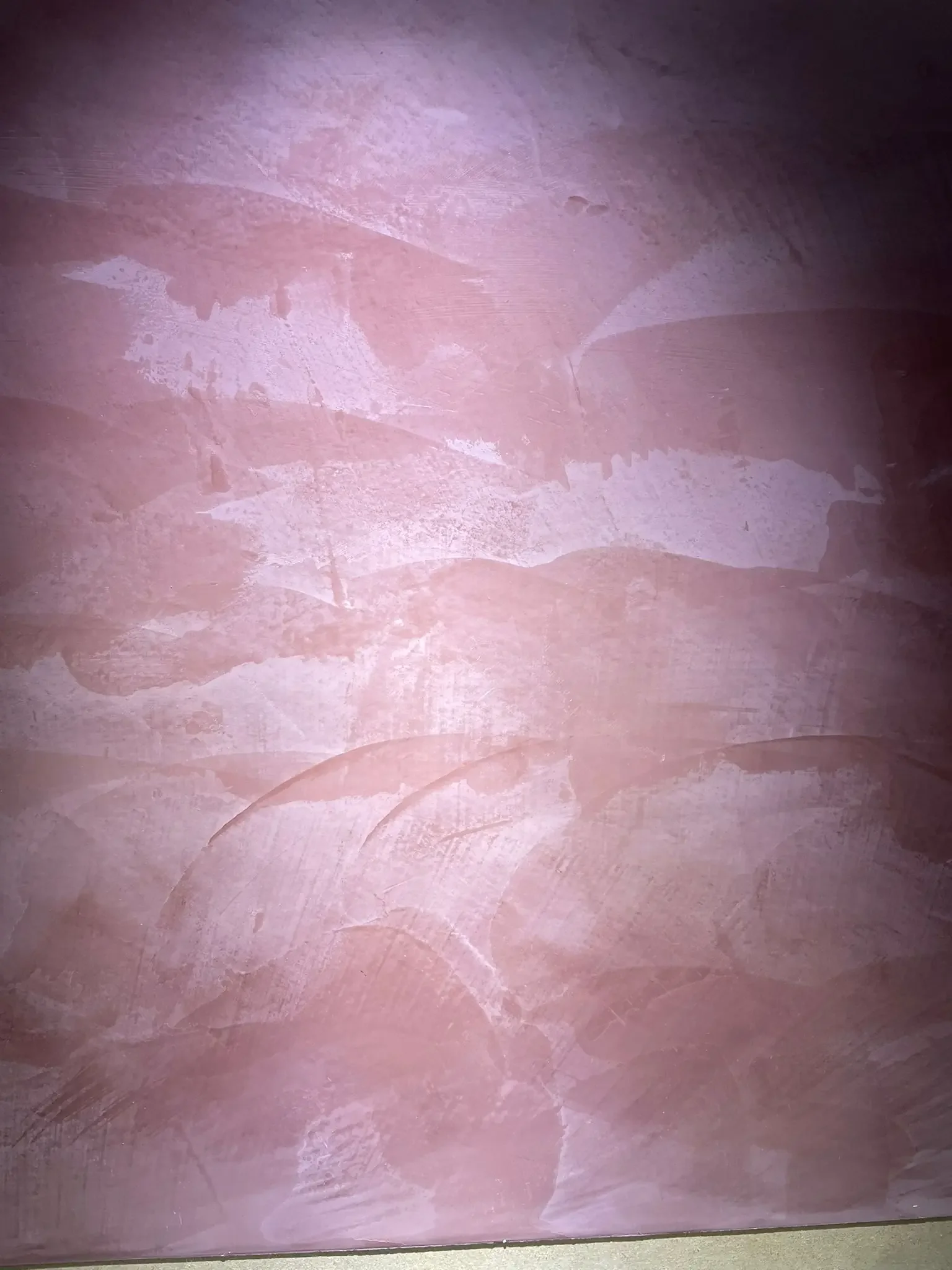
Venetian Plaster vs Paint – What’s the Difference?
Venetian Plaster vs Paint – What’s the Difference?
When it comes to finishing interior walls, most homeowners automatically think of paint. However, Venetian plaster is becoming an increasingly popular alternative for those looking to achieve a more luxurious and unique finish.
So what is the real difference between Venetian plaster and traditional paint, and which one is the better choice for your home?
What is Venetian Plaster?
Venetian plaster is a decorative wall finish made from natural lime and marble dust. It is applied by hand in multiple layers and then polished to create a smooth surface with depth, movement and a natural stone-like appearance.
Unlike paint, Venetian plaster creates a textured finish that interacts with light, giving walls a more dynamic and high-end look.
Venetian plaster is widely used in luxury interiors across Exeter and Devon, particularly for feature walls and statement spaces.
What is Paint?
Paint is the most common wall finish used in homes. It is quick to apply, widely available and comes in a variety of colours and finishes such as matte, satin or gloss.
While paint is practical and cost-effective, it typically creates a flat surface with little depth or variation.
Key Differences
Appearance
Venetian plaster offers a rich, textured finish with depth and movement, often resembling polished stone or marble.
Paint provides a smooth and uniform surface without texture.
Application
Venetian plaster is applied by hand using traditional techniques and built up in multiple layers, typically 3 to 4 coats, before being burnished to achieve its final appearance.
Paint is usually applied in two coats using a roller or brush, making it much quicker to install.
Durability
Venetian plaster is highly durable and breathable due to its natural composition. When applied correctly, it can last for many years without losing its appearance.
Paint is more prone to scuffs, marks and wear, especially in high-traffic areas.
Materials
Venetian plaster is made from natural materials such as lime and marble dust, making it eco-friendly and breathable.
Many paints are acrylic-based and contain synthetic components.
Cost
Paint is generally more affordable and quicker to apply.
Venetian plaster is a premium finish that requires more time, skill and craftsmanship, resulting in a higher cost but a significantly more refined and long-lasting result.
Which One Should You Choose?
If you are looking for a simple and cost-effective solution, paint is a practical option.
However, if you want to create a unique, high-end interior with depth, character and a luxury feel, Venetian plaster is the better choice.
Many homeowners in Exeter and across Devon choose Venetian plaster for feature walls and statement areas where they want to create a lasting impression.
Conclusion
While both paint and Venetian plaster have their place, they offer completely different results.
Paint is functional and convenient, but Venetian plaster delivers a level of depth, texture and elegance that cannot be achieved with standard finishes.
Looking for Venetian Plaster in Exeter or Devon?
We create bespoke Venetian plaster and decorative finishes tailored to your space.
Get in touch today for a free quote and consultation.
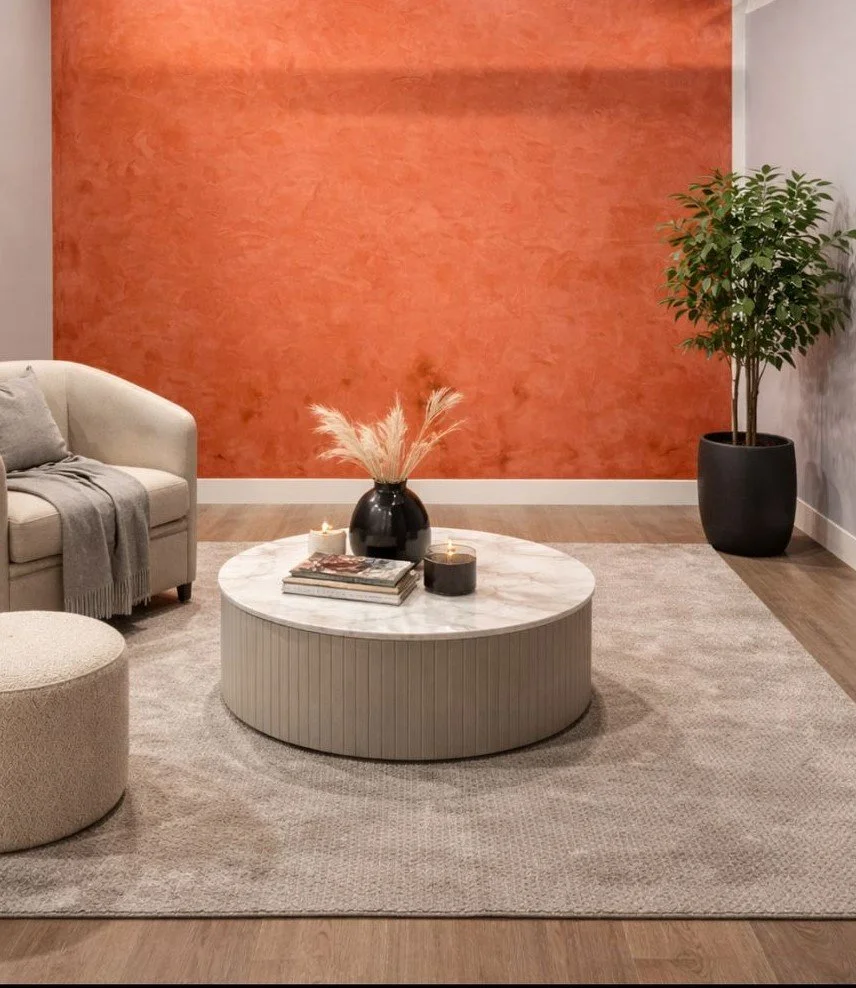
Does Venetian Plaster Crack?
Does Venetian plaster crack? Learn why cracks can appear, how to prevent them, and how a properly applied finish can last for decades.
Venetian plaster is widely known for its elegant appearance and natural texture. It has been used for centuries in luxury interiors because it creates a beautiful stone-like finish that cannot be achieved with regular paint.
However, many homeowners considering this finish often ask an important question: does Venetian plaster crack?
Understanding how Venetian plaster behaves over time can help you make the right decision for your home.
What Is Venetian Plaster?
Venetian plaster is a traditional wall finish made from natural lime and marble dust. It is applied in several thin layers and polished to create a smooth, luxurious surface that resembles natural stone.
Because it is made from mineral materials, Venetian plaster becomes very strong once it fully cures.
Can Venetian Plaster Crack?
In most cases, properly applied Venetian plaster does not crack.
When installed by an experienced professional on a stable surface, the finish is extremely durable and flexible enough to handle normal building movement.
However, like many wall finishes, small cracks can sometimes appear if certain conditions are present.
Common Causes of Cracks
1. Structural Movement
All buildings naturally move slightly over time. If there is significant structural movement in the walls, minor cracks can appear in many finishes, including plaster.
2. Poor Surface Preparation
Proper wall preparation is essential before applying Venetian plaster. If the base surface is unstable or uneven, it may affect the final finish.
3. Low-Quality Materials
Using poor-quality materials can reduce durability and increase the chance of cracking.
Professional plasterers typically use high-quality lime-based products designed for decorative finishes.
4. Incorrect Application
Venetian plaster requires skill and experience. If the layers are applied incorrectly or too thick, the finish may not cure properly.
How Professionals Prevent Cracks
Experienced decorative plaster specialists take several steps to prevent cracking:
Proper surface preparation
Using reinforced base coats when necessary
Applying thin, controlled plaster layers
Allowing proper drying time between layers
Using high-quality lime-based materials
These techniques help ensure the finish remains strong and stable.
Are Small Cracks Normal?
In rare cases, very fine hairline cracks may appear over time. In some decorative plaster styles, these micro-cracks are actually part of the natural character of lime-based finishes.
However, large visible cracks are uncommon when the plaster is applied correctly.
Can Venetian Plaster Be Repaired?
One advantage of Venetian plaster is that it can usually be repaired without replacing the entire wall.
A skilled professional can blend new plaster into the existing finish to restore the appearance while maintaining the natural texture.
Final Thoughts
Venetian plaster is a durable and long-lasting decorative wall finish. When applied correctly using quality materials, cracking is very uncommon.
With proper installation and maintenance, Venetian plaster can remain beautiful for decades while adding a luxurious touch to any interior space.
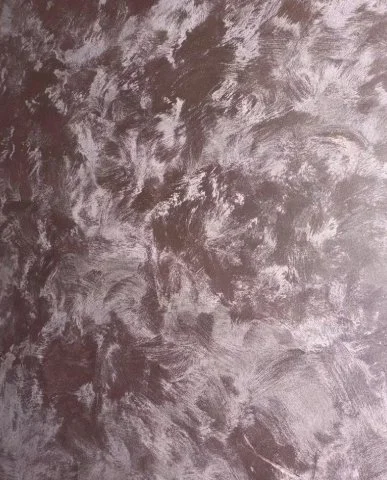
How Long Does Venetian Plaster Last?
ow long does Venetian plaster last? Discover the lifespan of this durable decorative finish and how proper maintenance can keep it looking beautiful for decades.
A Complete Durability Guide
When choosing a decorative wall finish, durability is one of the most important factors homeowners consider. While many finishes look attractive when first installed, not all of them maintain their appearance over time.
One finish that has gained a strong reputation for longevity is Venetian plaster. Known for its natural composition and elegant appearance, Venetian plaster has been used in architecture and interior design for centuries.
But how long does Venetian plaster actually last?
The Lifespan of Venetian Plaster
When applied correctly by a professional, Venetian plaster can last 20 years or more without losing its beauty.
In fact, many historic buildings in Europe still have lime-based plaster finishes that have lasted for decades or even centuries.
Unlike standard paint, which usually needs refreshing every few years, Venetian plaster forms a durable surface that ages naturally and develops character over time.
Why Venetian Plaster Is So Durable
There are several reasons why Venetian plaster lasts so long.
Natural Lime Composition
Venetian plaster is made from lime and marble dust. Once applied and cured, the lime slowly hardens through a natural process called carbonation, which makes the surface extremely strong.
Breathable Surface
Unlike synthetic wall coatings, Venetian plaster is breathable. This helps regulate moisture within the wall and reduces the risk of peeling or bubbling.
Multiple Application Layers
The finish is applied in several thin layers and polished to create a compact and durable surface.
This technique gives the plaster both strength and depth.
Does Venetian Plaster Require Maintenance?
One of the advantages of Venetian plaster is that it requires very little maintenance.
Basic care usually includes:
gentle cleaning with a soft cloth
avoiding harsh chemical cleaners
occasional resealing if a protective wax finish was applied
With proper care, Venetian plaster can maintain its appearance for decades.
Can Venetian Plaster Be Repaired?
If minor damage occurs, Venetian plaster can often be repaired without replacing the entire wall.
A skilled professional can blend new plaster into the existing surface, restoring the finish while keeping the natural texture.
This makes it a very practical long-term wall finish.
Venetian Plaster vs Traditional Paint
Compared to standard interior paint, Venetian plaster offers several long-term advantages:
significantly longer lifespan
greater durability
unique decorative texture
natural mineral materials
timeless aesthetic appeal
While the initial installation cost may be higher than paint, many homeowners consider it a worthwhile investment due to its longevity.
Final Thoughts
Venetian plaster is one of the most durable decorative finishes available for interior walls. When professionally applied and properly maintained, it can last for decades while maintaining its luxurious appearance.
For homeowners looking to create elegant interiors with a finish that stands the test of time, Venetian plaster remains an excellent choice.
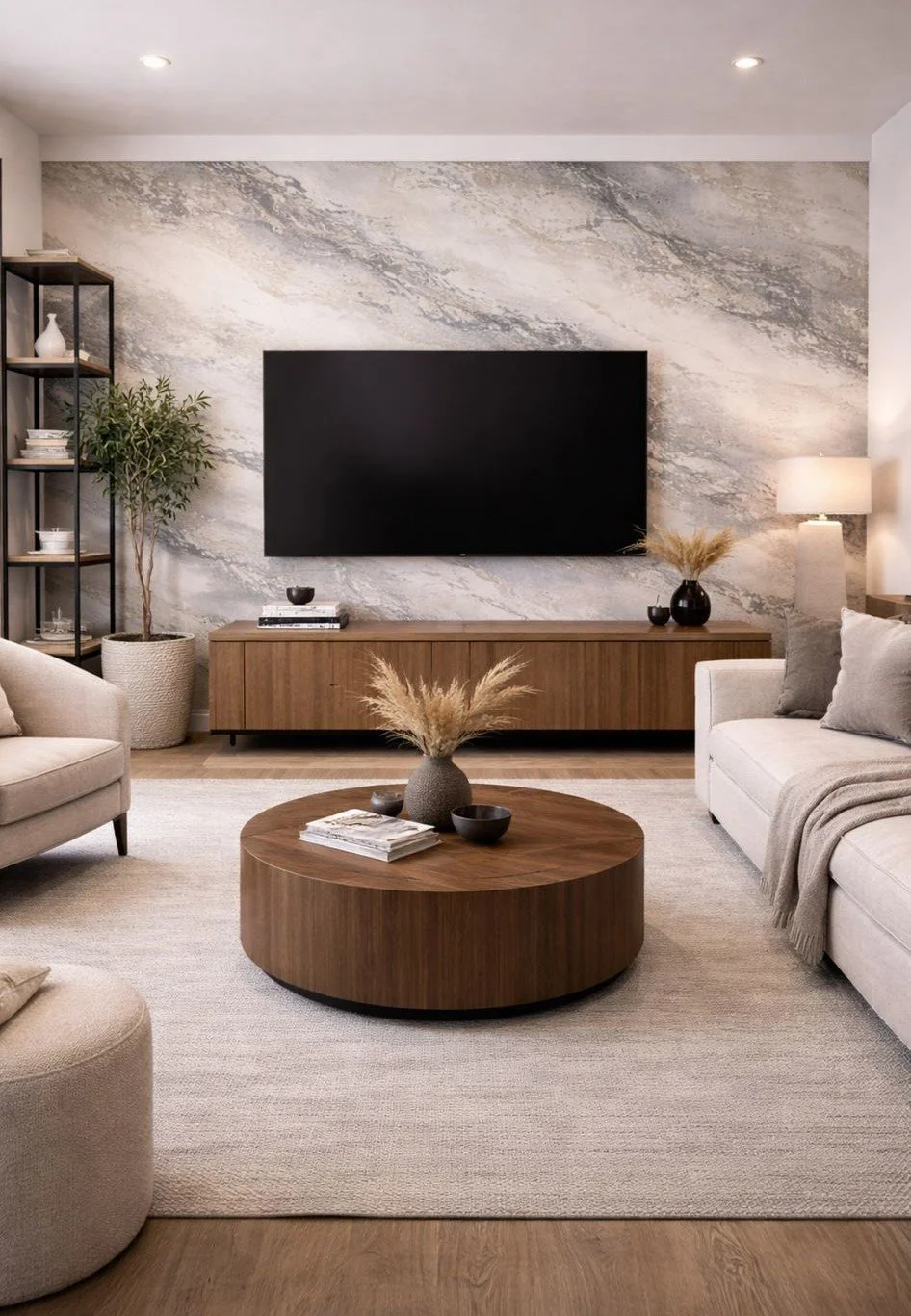
10 Stunning Venetian Plaster Wall Ideas for Modern Homes
ooking for Venetian plaster wall ideas? Discover 10 stunning designs perfect for feature walls, living rooms, and modern interiors.
In recent years, decorative wall finishes have become one of the biggest trends in interior design. Among these finishes, Venetian plaster stands out for its luxurious appearance, natural materials, and timeless elegance.
Venetian plaster is created using lime and marble dust applied in thin layers to produce a smooth surface with depth and movement. The result is a wall that looks similar to polished stone or marble.
If you are planning to upgrade your interior, here are 10 beautiful Venetian plaster wall ideas that can transform any modern home.
1. Living Room Feature Wall
A Venetian plaster feature wall in the living room can instantly become the focal point of the space. Soft neutral tones such as beige, warm grey, or stone create a sophisticated and modern atmosphere.
This finish works particularly well behind sofas or fireplaces.
2. Minimalist Bedroom Walls
Venetian plaster is perfect for minimalist interiors because it adds texture without overwhelming the space.
Light colours such as ivory or warm white create a calm and relaxing bedroom environment.
3. Luxury Bathroom Walls
Many modern bathrooms now replace tiles with seamless plaster finishes.
Venetian plaster can create a spa-like atmosphere with natural textures and elegant surfaces.
4. Modern Hallway Finishes
Hallways are often overlooked in interior design, but decorative plaster can turn them into stylish transitional spaces.
Subtle textures and neutral colours add depth without making the area feel smaller.
5. Fireplace Surrounds
Venetian plaster works beautifully around fireplaces because of its stone-like appearance.
It creates a luxurious architectural feature while maintaining a clean and modern design.
6. Polished Marble Effect Walls
High-polish Venetian plaster can imitate natural marble surfaces.
This finish is particularly popular in luxury apartments, boutique hotels, and high-end interiors.
7. Textured Accent Walls
For homeowners who prefer a more artistic look, textured Venetian plaster finishes can add character and movement to a room.
Each wall becomes completely unique.
8. Elegant Dining Rooms
Dining rooms benefit from elegant wall finishes that create a warm and inviting atmosphere.
Soft plaster textures combined with warm lighting can make the room feel more refined and comfortable.
9. Contemporary Office Spaces
More homeowners now design stylish home offices.
Venetian plaster walls add sophistication and professionalism while maintaining a modern aesthetic.
10. Luxury Staircase Walls
Large staircase walls offer the perfect canvas for decorative plaster finishes.
A smooth plaster surface can make the space feel more architectural and visually striking.
Final Thoughts
Venetian plaster is one of the most versatile decorative finishes available today. Whether used for feature walls, bathrooms, or entire rooms, it can dramatically elevate the look of a modern interior.
Because each application is handcrafted, no two Venetian plaster walls are ever exactly the same. This uniqueness is one of the reasons why it remains such a popular choice in luxury homes and design projects.
If you are considering Venetian plaster for your home, working with an experienced specialist can help you achieve the best possible results.
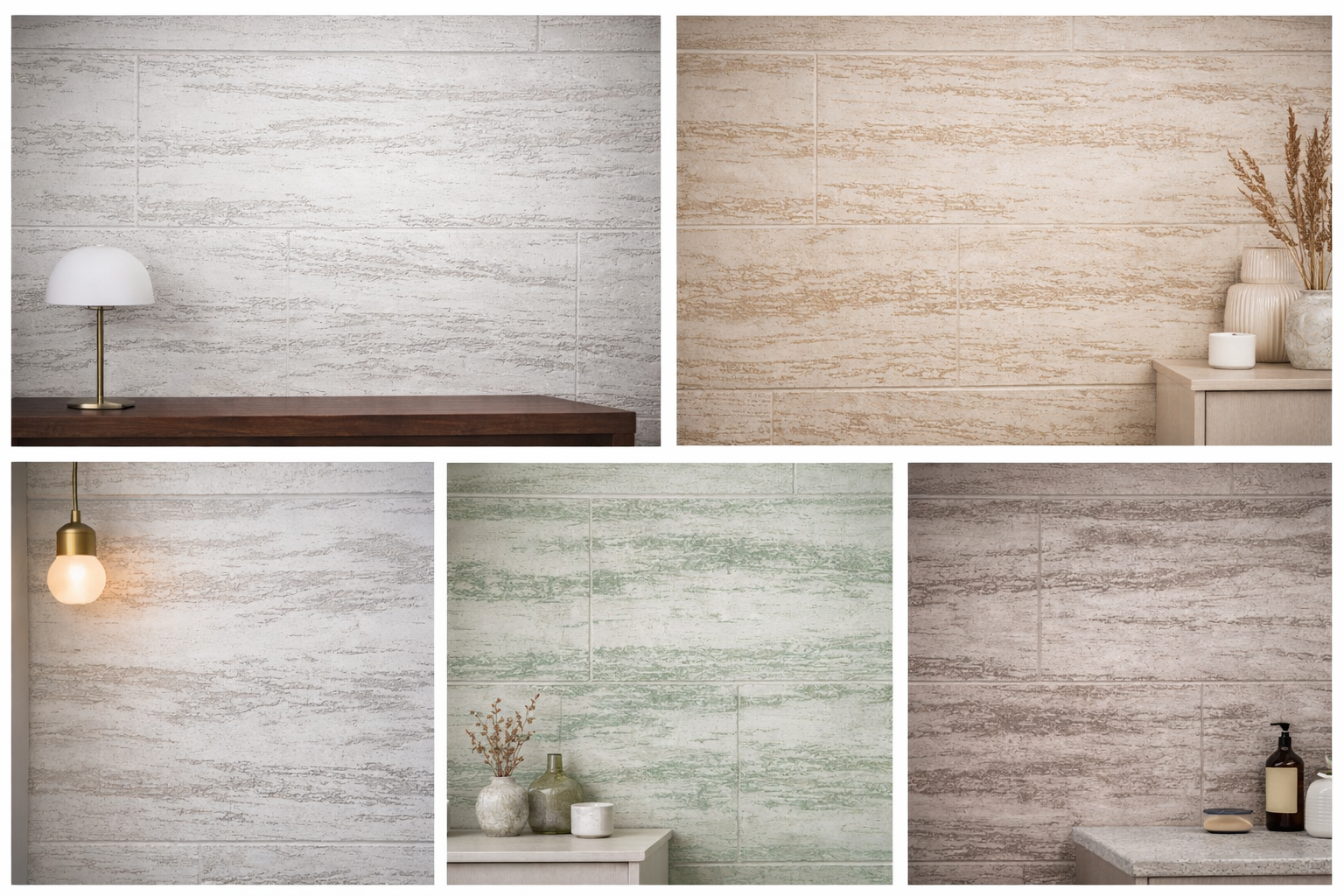
Tadelakt vs Microcement – Which Is Better for Bathrooms?
Tadelakt vs microcement: discover the key differences between these two popular decorative finishes and which is best for bathrooms, walls, and modern interiors.
When designing a modern bathroom, choosing the right wall and floor finish is essential. Two materials that have become increasingly popular in recent years are Tadelakt plaster and microcement.
Both create beautiful seamless surfaces and are often used in luxury bathrooms and contemporary interiors. However, they are quite different in terms of appearance, application and performance.
So which is better for bathrooms: Tadelakt or microcement?
What Is Tadelakt?
Tadelakt is a traditional Moroccan lime plaster that has been used for centuries in hammams, spas and bathrooms.
It is applied by hand and polished with a natural stone before being finished with olive soap. This process creates a smooth, slightly textured surface that is naturally water-resistant.
Tadelakt is known for its soft organic look and natural movement, making it perfect for warm and elegant interiors.
What Is Microcement?
Microcement is a modern cement-based coating applied in thin layers to create a smooth, seamless concrete-style finish.
Unlike traditional plaster systems, microcement uses resins and sealers to create a durable and waterproof surface.
It is commonly used for:
Bathroom walls
Shower areas
Bathroom floors
Kitchen floors
Modern interior spaces
Microcement is particularly popular in minimalist and contemporary designs.
Key Differences Between Tadelakt and Microcement
Appearance
Tadelakt creates a natural stone-like finish with soft movement and depth.
Microcement has a modern concrete-style appearance that works well in minimalist interiors.
Waterproof Performance
Both materials can be used in bathrooms when applied correctly.
Tadelakt becomes water-resistant through the traditional olive soap sealing process, while microcement relies on protective sealers to achieve waterproof performance.
Texture
Tadelakt usually has a slightly softer and more organic texture.
Microcement typically creates a smoother and more uniform finish.
Style
Tadelakt works beautifully in:
Mediterranean interiors
Luxury bathrooms
Spa-inspired designs
Microcement is ideal for:
Modern homes
Industrial interiors
Contemporary architecture
Which One Should You Choose?
The best choice depends on the style you want to achieve.
Choose Tadelakt if you prefer a natural, handcrafted finish with a soft and organic look.
Choose microcement if you want a modern, minimal and contemporary concrete-style surface.
Both finishes can create stunning seamless bathrooms when installed correctly.
Tadelakt and Microcement in Devon, Cornwall and Bristol
Both Tadelakt and microcement are becoming increasingly popular in homes across Devon, Cornwall and Bristol, particularly in modern renovations and luxury interior design projects.
These materials provide a unique alternative to traditional tiles and create beautiful seamless bathroom surfaces.
Thinking About a Bathroom Renovation?
If you are planning a bathroom renovation and considering Tadelakt or microcement, we would be happy to discuss your project.
We provide decorative plaster and microcement finishes across Devon, Cornwall and Bristol, and can help you choose the best solution for your space.
Contact us today for a free quote or consultation.

Venetian Plaster Feature Wall Ideas for Modern Interiors
Discover stunning Venetian plaster feature wall ideas to transform your living room, bedroom, or hallway with a luxury decorative finish.
Venetian Plaster Feature Wall Ideas for Modern Interiors
A Venetian plaster feature wall is one of the most elegant ways to transform a room. This decorative finish creates depth, texture and a luxurious marble-like appearance that instantly elevates interior spaces.
Because Venetian plaster is applied by hand, every wall has a unique texture and movement, making it a perfect choice for modern and high-end interiors.
Living Room Feature Walls
One of the most popular places for Venetian plaster is the living room.
A polished plaster feature wall behind a sofa or fireplace can become the focal point of the entire room. Soft lighting highlights the natural texture of the plaster and enhances its depth.
Bedroom Accent Walls
Venetian plaster works beautifully in bedrooms, particularly behind the bed.
A subtle satin or marble effect finish creates a calm and luxurious atmosphere, perfect for modern bedroom designs.
Bathroom Feature Walls
Venetian plaster is increasingly used in luxury bathrooms.
A polished plaster wall behind a freestanding bath or vanity can create a spa-like environment with a seamless natural finish.
Hallway and Entrance Walls
Entrance spaces are often overlooked, but a Venetian plaster wall in a hallway can create a strong first impression.
The natural texture and elegant finish immediately add character to the interior.
Restaurants and Commercial Interiors
Venetian plaster is also widely used in restaurants, boutique hotels and commercial interiors.
Its elegant appearance and durability make it ideal for spaces that need both style and practicality.
Why Venetian Plaster Feature Walls Are So Popular
Venetian plaster has become increasingly popular because it offers:
A luxury marble-like finish
A unique handcrafted appearance
A durable decorative surface
A timeless interior design element
Unlike paint or wallpaper, Venetian plaster creates depth and movement that change depending on lighting conditions.
Venetian Plaster in Devon, Cornwall and Bristol
Venetian plaster feature walls are becoming more common in homes across Devon, Cornwall and Bristol, especially in modern renovations and architect-designed interiors.
Its timeless appearance makes it a perfect choice for homeowners looking to create a distinctive and elegant interior space.
Looking for a Venetian Plaster Feature Wall?
If you are considering a Venetian plaster feature wall, we would be happy to discuss your ideas and help you choose the right finish.
We provide Venetian plaster and decorative plaster services across Devon, Cornwall and Bristol, and are also available for larger projects across the UK.
Contact us today for a free quote or consultation.
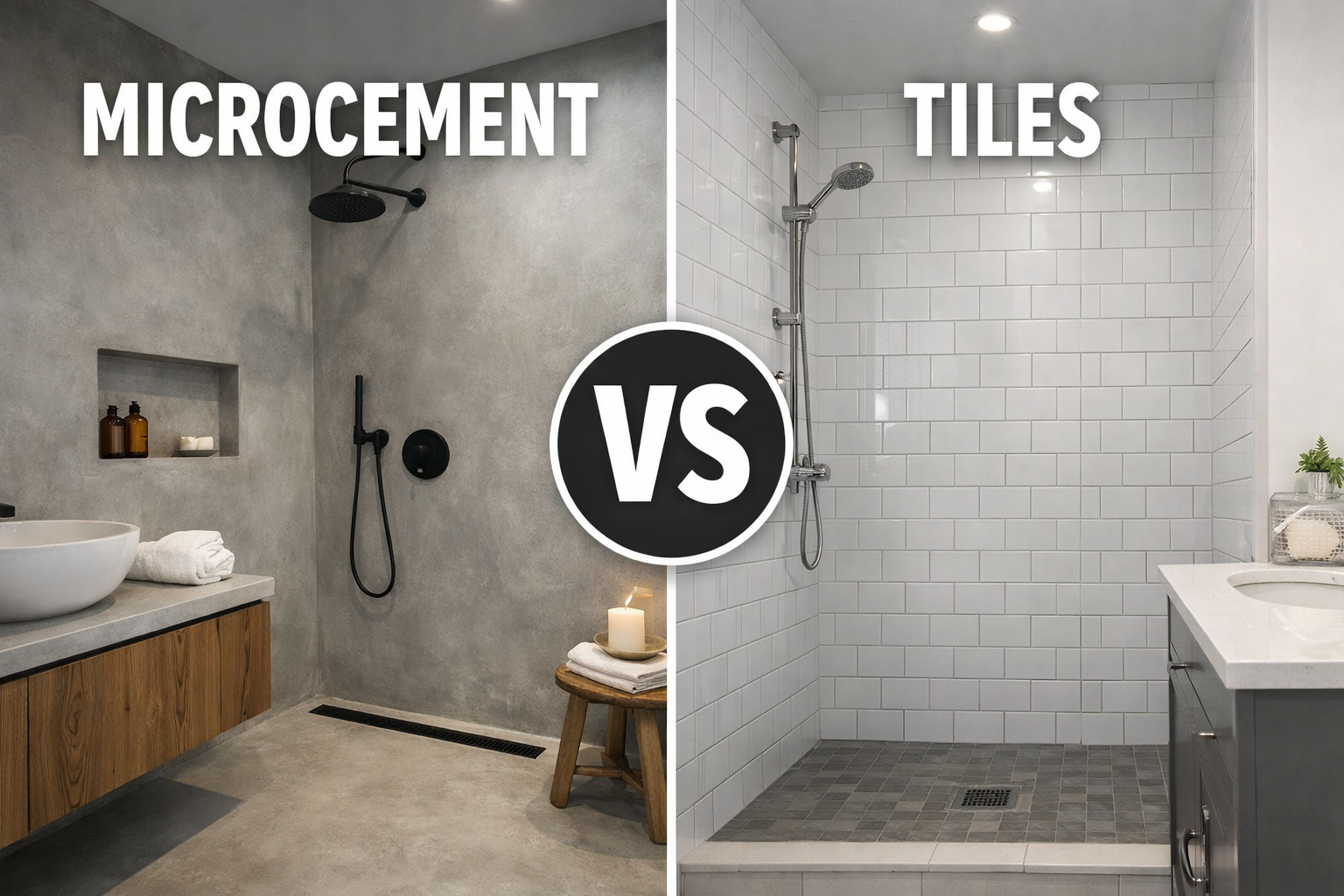
Microcement vs Tiles for Bathrooms – Which Is Better?
Microcement vs tiles: compare durability, maintenance, and design to see which wall or floor finish is the best choice for your home.
When designing or renovating a bathroom, one of the biggest decisions is choosing the right surface for the walls and floors. Traditionally, tiles have been the most common option, but in recent years microcement has become an increasingly popular alternative.
Both materials have their advantages, but they create very different styles and finishes.
So which is better for a bathroom: microcement or tiles?
What Is Microcement?
Microcement is a thin decorative coating made from cement, resins and pigments. It is applied in multiple layers and sealed to create a smooth, seamless surface.
Unlike tiles, microcement does not require grout lines, which gives bathrooms a modern and minimal look.
Microcement can be applied to:
Bathroom walls
Shower areas
Bathroom floors
Wet rooms
Kitchen floors
Because it is applied in thin layers, it can often be installed over existing tiles or surfaces, reducing the need for major renovation work.
What Are Bathroom Tiles?
Tiles are the traditional solution for bathrooms and have been used for decades because they are durable and water-resistant.
Tiles come in a wide range of materials including ceramic, porcelain and natural stone.
However, tiled surfaces require grout lines, which can sometimes collect dirt, mould or moisture over time.
Microcement vs Tiles: Key Differences
Seamless Finish
One of the biggest advantages of microcement is its seamless appearance.
Because there are no grout lines, the surface looks cleaner and more modern. This makes microcement particularly popular in contemporary and minimalist bathroom designs.
Tiles, on the other hand, always require grout joints which break the visual continuity of the surface.
Waterproof Performance
Both materials can be suitable for bathrooms.
Tiles are naturally waterproof when installed correctly, while microcement becomes waterproof when sealed with specialist sealers.
When installed by professionals, microcement works very well in:
Bathrooms
Wet rooms
Shower walls
Bathroom floors
Maintenance and Cleaning
Microcement is generally easier to clean because it does not have grout lines where dirt or mould can accumulate.
Tiles require periodic cleaning of grout lines and sometimes re-grouting over time.
Design and Appearance
Microcement creates a modern concrete-style finish that works beautifully in contemporary interiors.
Tiles offer more variety in patterns and colours, but they tend to create a more traditional appearance.
Many architects and interior designers choose microcement because it provides a minimal and architectural look.
When Is Microcement the Better Choice?
Microcement is ideal when you want:
A seamless modern bathroom
A minimalist interior design
A surface without grout lines
A renovation without removing existing tiles
A contemporary concrete-style finish
For these reasons, microcement has become extremely popular in luxury bathrooms and modern homes.
Microcement Bathrooms in Devon, Cornwall and Bristol
Microcement is increasingly used in homes across Devon, Cornwall and Bristol, especially in modern renovations and architect-designed interiors.
Its seamless finish and durability make it perfect for bathrooms, wet rooms and contemporary living spaces.
Thinking About Microcement for Your Bathroom?
If you are planning a bathroom renovation and considering microcement instead of tiles, we would be happy to help.
We provide microcement installations across Devon, Cornwall and Bristol, creating seamless decorative finishes for modern interiors.
Contact us today for a free quote or consultation.
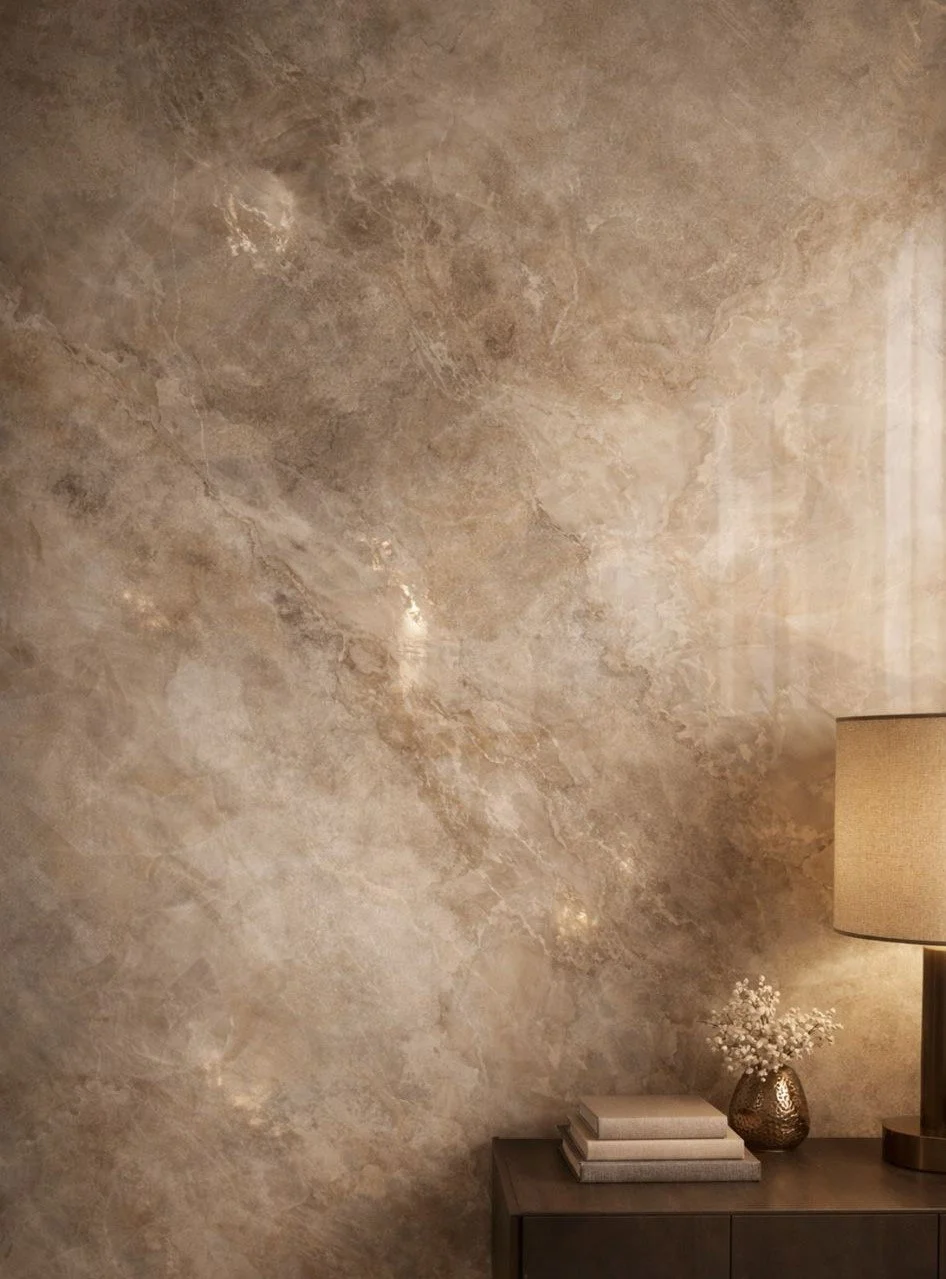
Is Venetian Plaster Waterproof? Everything You Need to Know
Is Venetian plaster waterproof? Find out if this decorative lime plaster finish can be used in bathrooms, showers, and wet areas.
Venetian plaster has become one of the most popular decorative wall finishes in modern interior design. Its elegant marble-like appearance and natural texture make it a favourite choice for feature walls, luxury bathrooms and contemporary interiors.
One of the most common questions people ask is:
Is Venetian plaster waterproof?
The short answer is that Venetian plaster is naturally water-resistant, and when sealed correctly it can be used in areas exposed to moisture such as bathrooms and kitchens.
What Is Venetian Plaster?
Venetian plaster is a traditional decorative finish made from natural lime and marble dust. It is applied in multiple thin layers and polished to create a smooth surface that can range from a soft satin finish to a high-gloss marble effect.
Because it is a lime-based material, Venetian plaster is also breathable and durable, making it suitable for many interior spaces.
Is Venetian Plaster Waterproof?
On its own, Venetian plaster is water-resistant but not completely waterproof. However, when finished with a protective wax or specialist sealer, the surface becomes much more resistant to moisture.
This means Venetian plaster can safely be used in:
Bathrooms
Kitchens
Feature walls
Hallways
Living rooms
Restaurants and commercial interiors
With the correct sealing system, Venetian plaster can also be used in wet areas such as bathrooms and shower walls.
Can Venetian Plaster Be Used in Bathrooms?
Yes, Venetian plaster is increasingly used in modern and luxury bathrooms.
Unlike tiles, Venetian plaster creates a seamless surface with no grout lines, giving bathrooms a cleaner and more contemporary appearance.
Many interior designers choose Venetian plaster for bathrooms because it:
Creates a natural stone effect
Works well with modern interior design
Is easier to maintain than tiled walls
Provides a unique handcrafted finish
Where Venetian Plaster Works Best
Venetian plaster is extremely versatile and can be applied in many areas of the home.
Popular applications include:
Venetian plaster feature walls
Bathroom walls
Kitchen splashbacks
Fireplace surrounds
Hallways and entrances
Luxury residential interiors
Because the finish is applied by hand, each surface has a unique texture and movement that cannot be replicated with paint or wallpaper.
Is Venetian Plaster Durable?
When applied by an experienced plaster specialist, Venetian plaster is a highly durable decorative finish.
With proper care and sealing, Venetian plaster can last for many years while maintaining its natural beauty.
The lime-based composition also allows walls to breathe naturally, which can help prevent moisture problems in some environments.
Venetian Plaster in Devon, Cornwall and Bristol
Venetian plaster is becoming increasingly popular across Devon, Cornwall and Bristol, especially in modern homes, boutique hotels and high-end interior design projects.
Its timeless appearance and versatility make it a perfect choice for homeowners looking to create a distinctive and elegant interior finish.
Looking for Venetian Plaster?
If you are considering Venetian plaster for your home or project, we would be happy to discuss your ideas and help you choose the right finish.
We provide Venetian plaster and decorative plaster services across Devon, Cornwall and Bristol, and are also available to travel for larger projects.
Contact us today to request a free quote or consultation.
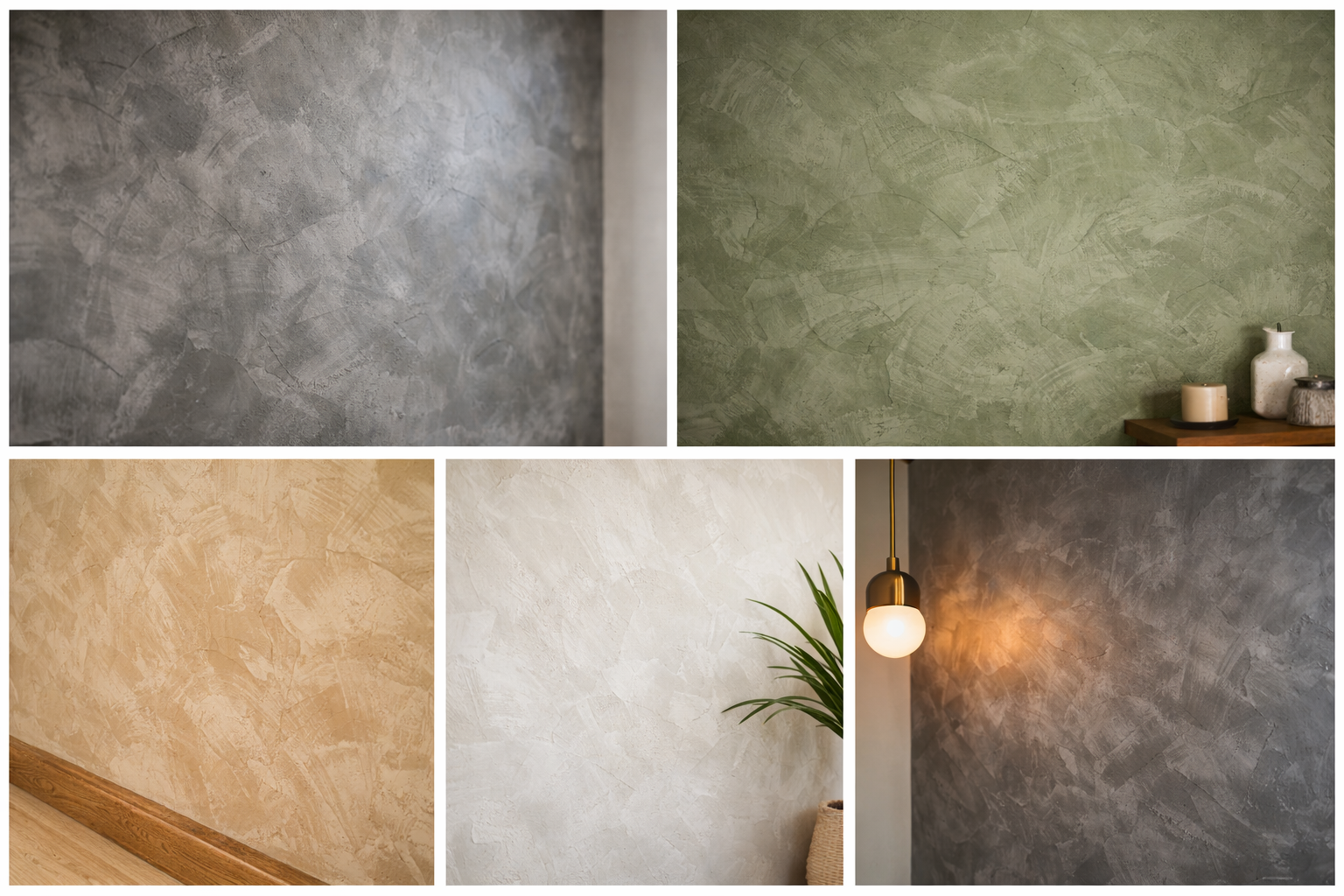
How Much Does Venetian Plaster Cost in the UK?
How much does Venetian plaster cost in the UK? Discover average prices per m² and what affects the final cost.
Venetian plaster has become one of the most desirable decorative wall finishes in modern interior design. Its elegant marble-like appearance and handcrafted texture make it a popular choice for feature walls, luxury bathrooms and high-end interiors.
One of the most common questions homeowners ask is:
How much does Venetian plaster cost in the UK?
The price can vary depending on several factors, including the size of the area, the type of finish and the complexity of the project.
Average Venetian Plaster Cost in the UK
In the UK, Venetian plaster typically costs between:
£90 – £180 per square metre
The final price depends on:
Type of Venetian plaster finish
Number of layers required
Surface preparation
Size of the project
Location of the property
More complex finishes, such as high-gloss marble effects or textured decorative finishes, can require additional time and skill, which can increase the cost.
What Affects the Price of Venetian Plaster?
Size of the Project
Larger projects often have a lower cost per square metre, while smaller feature walls may cost slightly more because of preparation time.
Type of Finish
Different Venetian plaster finishes require different techniques.
For example:
Classic Venetian plaster
High-gloss polished plaster
Textured decorative finishes
Marble effect plaster
More complex finishes require additional layers and polishing.
Surface Preparation
Proper preparation is essential for achieving a perfect finish.
This may include:
Wall preparation
Base coats
Primers
Surface smoothing
The condition of the wall can influence the overall cost.
Is Venetian Plaster Worth the Cost?
Many homeowners choose Venetian plaster because it offers a luxury finish that is both durable and timeless.
Compared to paint or wallpaper, Venetian plaster provides:
A unique handcrafted surface
A natural marble-like effect
Long-lasting durability
A premium architectural finish
Because every wall is applied by hand, Venetian plaster creates a truly unique interior feature.
Venetian Plaster Feature Walls
One of the most popular applications is a Venetian plaster feature wall.
Feature walls allow homeowners to create a striking focal point in spaces such as:
Living rooms
Bedrooms
Hallways
Bathrooms
Dining areas
This is often the most affordable way to introduce Venetian plaster into a home while still achieving a dramatic visual effect.
Venetian Plaster in Devon, Cornwall and Bristol
Venetian plaster is becoming increasingly popular in homes across Devon, Cornwall and Bristol, particularly in modern renovations and interior design projects.
Its elegant appearance and versatility make it ideal for luxury interiors, feature walls and contemporary living spaces.
Thinking About Venetian Plaster?
If you are considering Venetian plaster for your home or project, we would be happy to discuss your ideas and recommend the best finish.
We provide Venetian plaster and decorative plaster services across Devon, Cornwall and Bristol, and are also available to travel for larger projects.
Contact us today for a free quote or consultation